


Planning a trip is thrilling—until you reach the checkout page for your flight booking. Suddenly, doubts creep in. Is that $29 flight to Miami too good to be true? Or is paying $400 for a “reliable” airline actually the smarter financial move?
On one side, budget airlines like Spirit, Frontier, Ryanair, and easyJet offer eye-catching low prices. On the other, legacy carriers such as Delta, United, American, British Airways, and Lufthansa charge more but promise comfort and reliability.
As a budget-savvy traveler who’s faced hidden fees and overpriced snacks, I’m here to break down the real cost of flying. Spoiler: The cheapest ticket isn’t always the best deal.
Let’s dive in.
The Illusion of the “Base Fare”
Budget airlines often advertise ultra-low fares like $49, but that’s just the seat price—nothing else included. Legacy carriers use a bundled pricing model, so their $350 ticket typically covers essentials like carry-on bags and seat selection.
Breaking Down the Costs
Example: Round-trip New York to Orlando on a budget airline:
- Base Fare: $98
- Carry-on Bag: $70
- Checked Bag: $60
- Seat Selection: $40
- Water & Snack: $12
- Total: $280
Compare to a legacy carrier on the same route:
- Base Fare (including carry-on, seat selection, snacks): $310
The difference narrows significantly.
Verdict: If you travel light with just a personal item, budget airlines can save you money. But if you need bags or want to sit together, legacy carriers often end up cheaper—or close—once you factor in all extras.
The “Ala Carte” Trap
Budget airlines excel at unbundling services to keep base fares low, but they nickel-and-dime you on add-ons. For example, Spirit Airlines charges $99 for carry-ons that barely miss size limits. That fee can erase any savings.
Legacy carriers are usually more lenient, rarely measuring personal items or charging for boarding passes.
Pro tip: If flying budget, read every fine print detail. Pay for bags when booking, check in online exactly 24 hours before your flight, and know baggage size limits. Breaking rules on budget airlines will cost you more than flying first class.
Comfort: Passenger or Cargo?
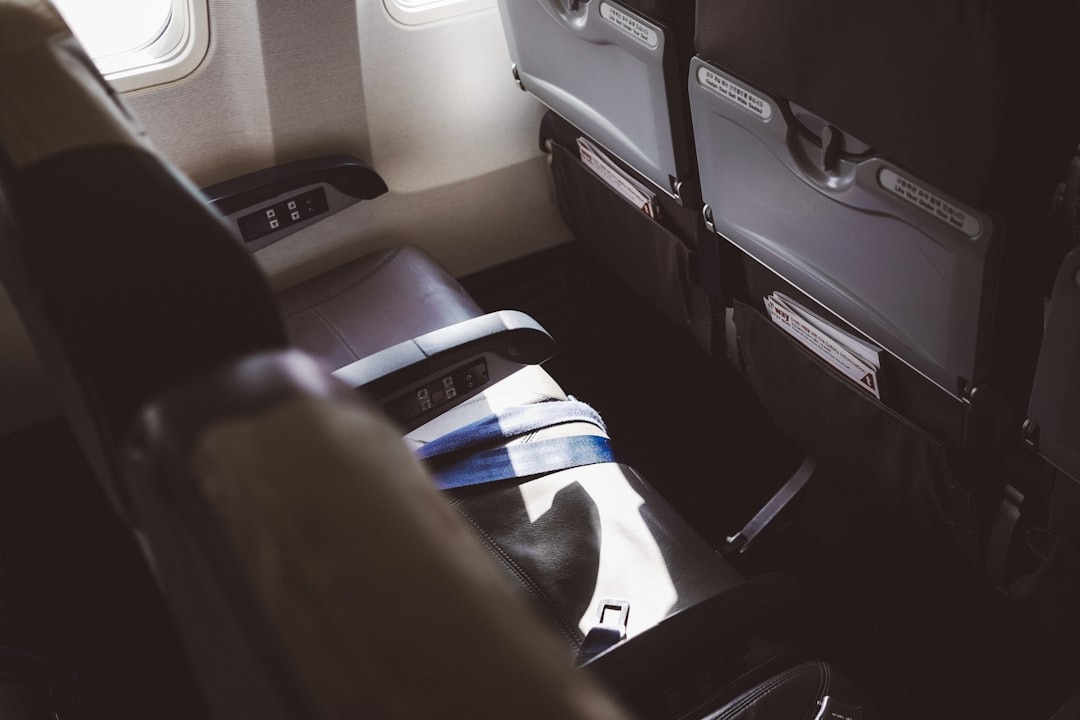
Comfort matters. Budget airlines often feature vinyl seats with minimal recline and tight legroom (around 28 inches pitch). Tall travelers will feel cramped.
Legacy carriers offer 31-32 inches of pitch, power outlets at seats, free entertainment, and complimentary snacks—things many budget airlines charge for.
On flights over 2.5 hours, the “savings” from budget airlines might be canceled out by discomfort or even a chiropractor visit. For long-haul flights, legacy carriers become a necessity for a sane vacation.
Network and Routes
Legacy carriers have hubs and fly into major airports. They also partner with other airlines through alliances like Star Alliance, SkyTeam, and OneWorld, offering better reroute options if flights cancel.
Budget airlines usually fly point-to-point, often to secondary airports farther from city centers. You might save $100 on a flight but spend more on ground transportation and time.
Remember to factor in the cost of inconvenience when comparing prices—time and convenience have value.
Reliability and the “What If” Factor
Travel disruptions happen. Legacy carriers have interline agreements to reroute passengers quickly and staff customer service desks. Budget airlines operate on tight schedules with fewer spare planes, so cancellations and delays are more common.
If your flight cancellation means missing critical events like weddings or cruises, legacy carriers offer peace of mind. If flying budget, invest in comprehensive third-party travel insurance to protect yourself from expensive rebooking.
Who Actually Saves More?
Choose Budget Airlines If:
- You pack very light (personal item only).
- Your flight is under 3 hours.
- You travel solo or with someone else who also packs light.
- Your schedule is flexible.
- You’re flying to a secondary airport closer to your destination.
Choose Legacy Carriers If:
- You check bags.
- You’re tall or need more comfort.
- You have connecting flights.
- You value your time and convenience.
- You’re traveling to important events or business meetings.
The Budget-Legacy “Hack”
Many legacy carriers now offer “Basic Economy” fares to compete with budget airlines. These fares are often only $20-$40 more than budget tickets but include perks like carry-on bags, better legroom, and customer service.
Paying a small premium can save you stress and hidden fees.
Final Boarding Call
If “saving” means the lowest upfront price and you’re a strict minimalist, budget airlines can win.
But when considering all costs—including baggage, seat fees, transport, comfort, and reliability—legacy carriers often come out ahead.
My personal advice? Short trip with a backpack? Go budget. Long trip with family or gear? Invest in the legacy carrier.
Don’t buy a budget ticket expecting legacy service. Know what you’re signing up for, pack smart, and read the fine print. Your wallet—and knees—will thank you.